
With the Autumn Budget fast approaching, all eyes are turning towards how the Chancellor will look to strengthen the UK economy and prioritise spending for the next year.
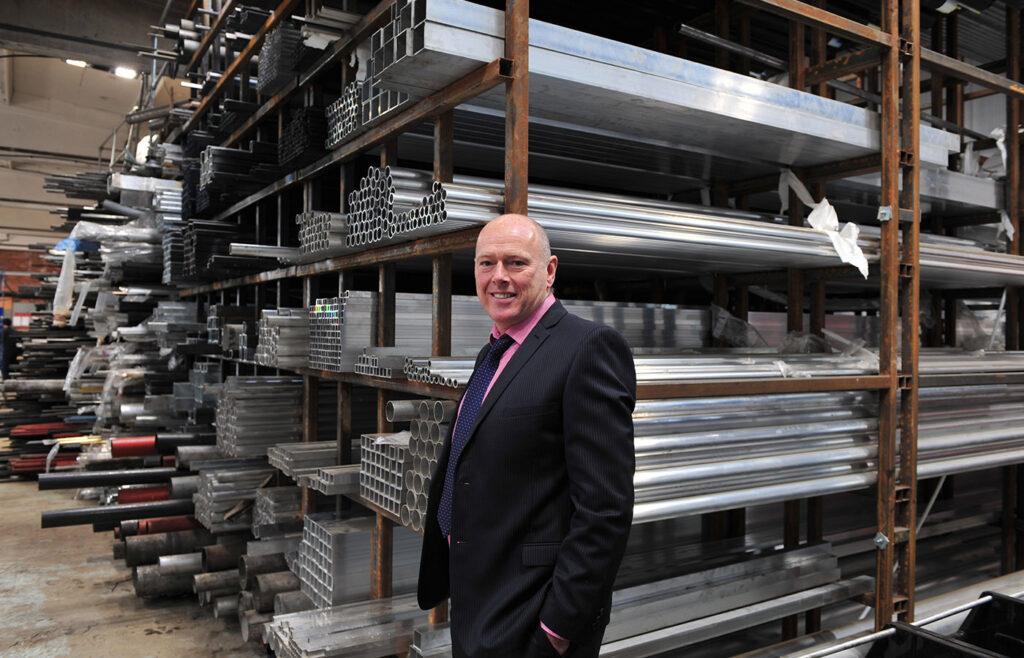
Those in the manufacturing and construction sectors will be paying particular attention to how government rhetoric regarding supporting British industry will translate to tangible support. For Paul McFadyen, chairman of metals4U, who has a background spanning over two decades supporting both the construction and manufacturing sectors, there are four key points that need to be addressed.
- Construction stimulus
Paul explains: “There’s no doubt that the construction sector as a whole is struggling in the current economic climate. Recent data1 shows that many areas of the industry, particularly new private investment such as housebuilding, are declining due to rising costs and a subdued buyer market, which are making fresh investment in construction projects less attractive for developers.
“The government can inject targeted stimulus to support the sector while the wider economic landscape stabilises and improves. This can be achieved by continuing to invest in public infrastructure projects, which can also carry wider economic benefits at regional and national levels, as well as supporting construction jobs and output.
“Beyond this, government initiatives such as ‘Your First Home’ can help to kickstart the buyer market for new-build housing, as well as tackling the chronic national housing shortage. Housing developers must also play their part to see the benefits of this scheme, matching government initiatives with increased investment to deliver the required projects. They must also resist the urge to take advantage of the scheme by increasing property prices, a move which would undermine the initiative by putting first-time buyers off due to high prices.”
- Targeted industrial relief
Paul shares: “British manufacturers are facing a number of pressures including rising global tariffs, increased material costs and soaring energy prices. This situation is not conducive to sector growth, and the industry will need targeted support to ease the burden.
“Measures to reduce energy costs for manufacturers, as well as cutting business rates and reducing compliance pressures, will help to provide impactful improvements for the industry which are realistic and achievable given the Chancellor’s limited fiscal headroom. They will also help manufacturers to tackle the high material costs, whilst also encouraging further investment.”
- Strengthening the skills pipeline
Paul comments: “Continuing investment in construction and manufacturing projects not only supports the current workforce, but also encourages employers to continue hiring new workers and take on apprentices. This is vital for the long term health and stability of these sectors and cannot be neglected.
“Additionally, announcements aimed at restructuring the education sector to support vocational and technical training will be well received by the industry, and will help to ensure a continued flow of young talent into our industries. Acting now could allow these trainees to develop and enter the workforce at a time of increased investment and activity, should the economic picture improve over the next few years.”
- Proof of the ‘back British’ promise
Paul says: “Government rhetoric of backing British industry has been an encouraging sound bite, but this budget needs to see words matched with ambition. Demonstrating proof of government support for British industry will help encourage investment and strengthen the sector by prioritising UK firms.
“Investment and procurement decisions in active sectors such as public infrastructure and defence, should be awarded to British suppliers where possible, whilst further measures to improve conditions and competitiveness for UK manufacturers would also be welcomed. The government can also reinforce the domestic supply chain by prioritising sourcing materials from UK companies where possible, such as purchasing British steel.”
For more information on metals4U, visit: https://www.metals4u.co.uk/